Sponsored article
Designing a child’s room is an opportunity to blend imagination with practicality. Parents often seek to create an environment that encourages their child’s creativity while also serving functional needs. From selecting a color palette that promotes tranquility and inspiration, to incorporating storage solutions that keep the space tidy, every element plays a vital role. In this article, you’ll find inspiration and practical tips to craft a children’s room that’s both stylish and functional, perfectly tailored to your little one’s needs.
When selecting the perfect color scheme for a child’s room, it’s important to consider the subtle art of color psychology. Colors can have a significant impact on a child’s mood and behavior, so choosing the right palettes is essential. Calming colors such as soft blues, gentle greens, and warm neutrals create a serene environment perfect for rest and relaxation. For rooms that need a touch of excitement, incorporate vibrant accents like yellows or oranges which can stimulate play and creativity. Balance is key; too many bright colors might overwhelm, while overly subdued tones could become boring.
For those looking to sidestep traditional gendered hues, gender-neutral tones like soft yellows, teals, or grays can provide a timeless backdrop suitable for any child. Deciding between paint and wallpaper offers flexibility but can also add complexity to the decision. Paint is often more adaptable, allowing for rapid changes as tastes evolve, whereas wallpaper can bring texture and pattern for added flair. Phantom-Furniture offers a range of children’s wardrobes to complement any selected color scheme. Explore their collection here. Consider these tips for a harmonious color palette:
Transforming a child’s room into an organized haven is achievable with smart storage solutions tailored to both style and functionality. Begin with space-saving furniture, which maximizes every inch of the room. Loft beds with built-in desks or drawers offer a clever way to provide both sleeping space and storage. For toy storage, consider using wall-mounted shelves or under-bed bins that keep toys accessible yet neatly tucked away. Creative solutions like hanging organizers on doors or using clear bins with labels can make tidying up a fun and engaging activity for kids.
Incorporating multi-functional furniture is another effective strategy. Pieces like ottomans with hidden compartments, or tables with integrated cubbies, offer additional storage without sacrificing aesthetics. Organization tips such as sorting toys into categories or designating specific zones for activities further enhance orderliness. By applying these storage ideas and encouraging daily habits, you can maintain a tidy, stylish, and functional room that grows along with your child.
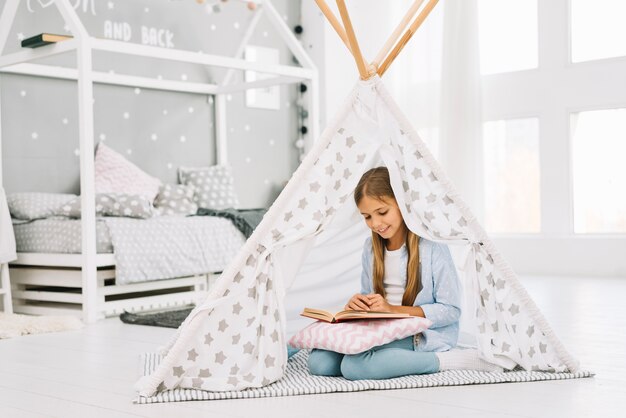
In the quest to create the perfect children’s room, balancing style with functionality is crucial, particularly when it comes to integrating educational and play spaces. A well-designed learning zone or study nook stands as an essential component of an inspiring environment, encouraging concentration and productivity. Opt for adjustable furniture that grows with your child to create an age-appropriate design that adapts over time. Incorporate ample storage solutions, such as shelves and bins, to keep educational materials neatly organized and easily accessible, promoting a clutter-free space conducive to learning.
On the other hand, a creative play area is indispensable for nurturing imagination and providing a space where children can explore their interests. Employ durable yet stylish materials to craft a space that withstands the rigors of playtime. Utilize soft rugs, vibrant cushions, and interactive wall art to define the creativity space, ensuring it stimulates young minds while resonating with the overall theme of the room. Striking the right balance between durability and creativity helps sustain a harmonious and age-appropriate design that supports both learning and play.